
Exploring the Future of Eye Care with Premier Vision
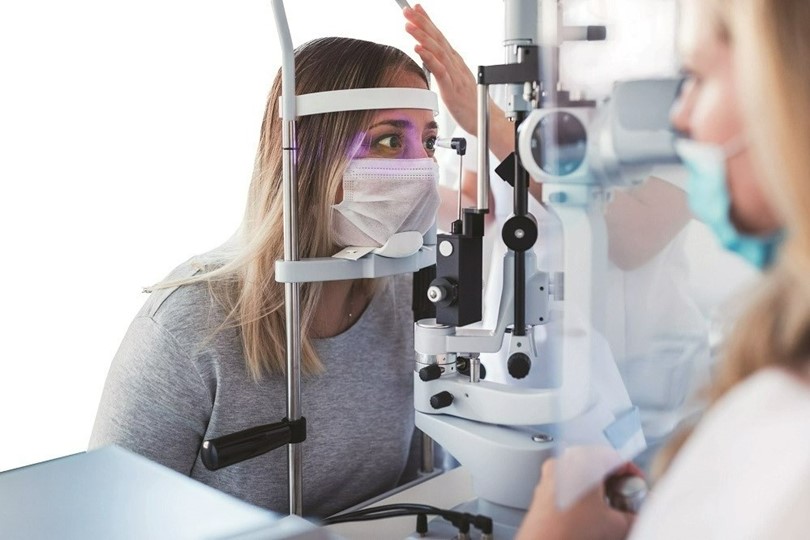
The Evolution of Eye Care: A Journey Through Time
From Ancient Remedies to Modern Solutions
The journey of eye care is as insightful as the vision it strives to protect. Spanning thousands of years, its history begins with ancient civilizations that relied on natural remedies to address visual impairments. For example, the Egyptians were known to use plant-based extracts for healing. Early medical writings from around 1500 BC, including the Edwin Smith Papyrus, reflect a surprisingly advanced understanding of eye conditions such as cataracts and corneal opacity. These early records demonstrate the development of diagnostic observations and basic treatments that laid important groundwork for the sophisticated eye care practices we know today. In the modern era, comprehensive solutions such as Premier Vision illustrate how far the field has progressed, offering structured benefits designed to support routine eye exams, corrective lenses, and overall visual wellness.
As time progressed into ancient Greece and Rome, influential thinkers like Hippocrates and Galen expanded medical and anatomical knowledge, providing deeper insight into the causes and treatment of eye diseases. Meaningful breakthroughs, however, were limited until the Middle Ages, when the invention of spectacles marked a turning point. These early magnifying lenses allowed aging individuals and those with impaired sight to regain functional vision, signaling a transition from purely herbal remedies to practical mechanical solutions. During the Renaissance, European scholars intensified their study of optics, leading to transformative inventions such as the telescope and microscope. These advancements reshaped humanity’s understanding of both distant galaxies and microscopic structures, ultimately paving the way for today’s advanced diagnostic tools and vision care programs.
Technological Innovations: The Game Changers
The 19th and 20th centuries heralded a period of unprecedented changes in eye care, largely driven by technological innovations. The invention of the ophthalmoscope in 1851 allowed practitioners to examine the interior of the eye, unveiling conditions that were previously invisible. Throughout the 20th century, advancements in surgical techniques transformed the treatment of severe eye conditions. The introduction of cataract surgery and the development of intraocular lenses enabled millions to regain their sight, marking a turning point in ophthalmology.
As technology progressed into the 21st century, a wave of innovations emerged, including laser eye surgery, which offered a less invasive option for correcting refractive errors. The advent of electronic health records allowed for increased efficiency in treatment and follow-up care. Innovations like OCT (Optical Coherence Tomography) have become instrumental in allowing detailed imaging of the retina, aiding in the early detection of diseases such as diabetic retinopathy and macular degeneration. This evolution illustrates a critical intersection where traditional knowledge meets cutting-edge science, proving that modern eye care is built upon a legacy of inquiry and exploration.
How Historical Trends Shape Today’s Practices
Understanding the historical context of eye care is essential for comprehending today’s practices and challenges. The evolution from rudimentary methods to advanced technology reflects broader societal changes, including increased public health awareness and the role of government regulations in healthcare. The lessons learned from past failures in treatment methods have shaped the rigorous standards we uphold today. For instance, the history of infectious diseases affecting eyesight, such as trachoma and syphilis, has propelled global health initiatives aimed at prevention through education and vaccine development.
Moreover, historical socio-economic factors, including industrialization, have contributed to rising cases of eye strain due to increased screen time. Awareness campaigns and proactive measures underscore the importance of preventive care today, a concept that was less prioritized in earlier eras. The emphasis on patient education around the impacts of digital screens and lifestyle choices directly stems from a deeper understanding of these historical trends, showcasing how eye care is not only reactive but increasingly anticipatory and preventive.
Latest Advancements in Eye Care Technologies
Artificial Intelligence: Revolutionizing Diagnosis
The integration of artificial intelligence (AI) into eye care represents one of the most transformative advances in the field. AI algorithms can analyze vast amounts of data far faster than human practitioners, providing accurate diagnostic insights that can lead to quicker, more effective treatment recommendations. For instance, machine learning models have been trained to detect diabetic retinopathy and age-related macular degeneration by examining retinal images, achieving accuracies comparable to those of experienced ophthalmologists.
This capability not only enhances diagnostic efficiency but also addresses the growing shortage of eye care professionals in many regions of the world. AI-powered tools can be deployed in remote settings, enabling healthcare workers with limited training to conduct preliminary assessments, thereby bridging gaps in access to care. As algorithms continue to improve with more data, the predictive capabilities of these systems will evolve, allowing for personalized treatment plans based on individual health histories and genetic predispositions.
Telemedicine: Eye Care at Your Fingertips
In the wake of the COVID-19 pandemic, telemedicine emerged as a vital lifeline for continuing patient care and has revolutionized how eye care is delivered. Patients can now consult with ophthalmologists and optometrists remotely, making eye care more accessible, particularly for those in underserved areas or for those who face mobility challenges. Using video conferencing platforms, practitioners can conduct initial assessments, follow-up consultations, and even provide guidance on managing chronic eye conditions without the need for in-person visits.
The rise of remote monitoring technologies further enhances this model. Patients can utilize smartphone applications and other electronic devices to track their conditions and report changes directly to their healthcare providers. These innovations allow for continuous care and timely interventions, fundamentally shifting the paradigm from reactive to proactive eye care management.
Personalized Treatments: Tailoring Care to Individual Needs
Personalized treatment in eye care is gaining traction, fueled by advancements in genomics and biotechnology. Understanding that every individual has unique genetic and environmental factors influencing their ocular health, practitioners can now offer treatments tailored to the specific needs of each patient. For instance, personalized eye drops developed based on genomics can enhance absorption and efficacy, reducing the risk of side effects associated with common treatments.
Additionally, the concept of personalized lenses and custom contact lenses has emerged, improving comfort and vision quality for individuals with complex refractive errors and corneal irregularities. Integrating genetic testing into routine eye exams is paving the way for predictive analytics in eye health, enabling early interventions that were previously unimaginable, ultimately leading to better outcomes and a higher quality of life for patients.
Understanding Common Eye Conditions: A Deep Dive
The Impact of Digital Strain: Are You at Risk?
Digital eye strain, also known as computer vision syndrome, has become increasingly prevalent with the rise of screen usage. Symptoms range from discomfort and dry eyes to headaches and blurred vision. Research suggests that up to 90% of individuals who work on screens for prolonged periods experience some degree of digital strain. This condition exemplifies the intersection of modern living and ocular health, highlighting the need for preventative education and proactive strategies to mitigate these risks.
Factors contributing to digital strain include prolonged screen time without regular breaks, poor lighting conditions, and incorrect viewing distances and angles. Understanding the prevalence of this condition calls for a reassessment of daily routines and workplace ergonomics. Implementing the 20-20-20 rule taking a 20-second break to view something 20 feet away every 20 minutes can significantly alleviate strain on the eyes. This awareness and adjustment in habits not only underscore the importance of self-care in maintaining eye health but also reflect a larger trend towards integrating holistic health practices into everyday life.
Preventative Measures: Keeping Your Eyes Healthy
Prevention is integral to maintaining optimal eye health. Comprehensive eye exams should be scheduled regularly, allowing eye care professionals to monitor changes in vision and detect conditions like glaucoma or early signs of macular degeneration. Beyond professional assessment, there are myriad proactive measures individuals can take to safeguard their vision. A well-balanced diet rich in antioxidants, Omega-3 fatty acids, and vitamins A, C, and E has been linked to lower risks of developing eye conditions.
Moreover, adopting a lifestyle that includes regular physical activity can enhance blood circulation, which is essential for maintaining healthy eyes. Protecting the eyes from UV exposure, particularly during outdoor activities, is another critical preventive measure. Wearing sunglasses that offer 100% UV protection can mitigate risks of conditions like cataracts and pterygium. Collectively, these preventative strategies contribute to a proactive approach to preserving vision, reinforcing the notion that maintaining eye health is a continuous journey rather than a one-time intervention.
Vision Therapy: Beyond Glasses and Contacts
Vision therapy is an often-overlooked component of eye care that addresses visual processing and ocular muscle function. Unlike standard corrective lenses, vision therapy is a customized program aimed at forging new pathways in the brain to enhance visual skills. It is beneficial for conditions such as amblyopia (lazy eye), strabismus (crossed eyes), and convergence insufficiency a common problem faced by those who engage in significant near work.
This form of therapy encompasses a series of exercises targeting coordination, focusing, and tracking skills. Furthermore, advancements in virtual reality technology have been integrated into vision therapy, making treatment more engaging and effective. As research continues to demonstrate the success of these methods, vision therapy is emerging as an essential consideration in comprehensive eye care, particularly for children whose ocular development and visual skills are still maturing.
The Future of Eye Care: Trends to Watch
Sustainability in Eye Care: Greener Practices Ahead
Sustainability is becoming an increasingly pertinent concern across all sectors, and eye care is no exception. As the global community becomes more aware of environmental issues, practitioners and manufacturers are taking steps towards greener practices. Sustainable sourcing of materials for glasses and contact lenses is gaining traction, with companies opting for biodegradable materials and environmentally friendly manufacturing processes.
Moreover, eye care providers are adopting sustainable office practices, including reducing waste and energy consumption, promoting digital communication to decrease paper usage, and encouraging recycling programs. As the focus on climate change intensifies, integrating sustainability into eye care isn’t just a trend it’s becoming a fundamental principle that aligns medical practice with moral responsibility to protect our planet. Adopting sustainable practices not only improves health outcomes but also builds trust and loyalty among environmentally conscious patients.
Global Accessibility: Bridging the Eye Care Gap
Global health equity is a pressing challenge, particularly in the realm of eye care where disparities affect millions. It is estimated that over 2.7 billion people worldwide suffer from visual impairment, many due to preventable causes. Movements to improve global accessibility to eye care are gaining momentum, with collaborations between organizations, governments, and NGOs to expand services in underserved regions. Mobile clinics and telemedicine initiatives aim to reach remote and rural communities, providing essential eye care services where they are most needed.
Furthermore, training local healthcare providers and advocating for policies that prioritize eye health can dismantle barriers to access. The emergence of low-cost, high-quality eyewear solutions is also contributing to closing the gap, offering affordable options for those in low-income communities. As these initiatives flourish, they reflect a growing recognition that vision is foundational to health, education, and economic stability, making access to eye care an urgent global priority.
The Patient Experience: Redefining Care in the Digital Age
The digital age is redefining the patient experience in eye care, with a strong focus on personalized service and technological integration. Patients now have access to a wealth of information online, empowering them to take charge of their eye health. Eye care providers are also increasingly utilizing digital platforms to enhance patient engagement appointment scheduling, telehealth visits, and follow-up reminders can all be managed through patient portals and mobile applications.
Moreover, patient education has evolved, with informative online resources and interactive tools that allow individuals to better understand their conditions and treatment options. This shift towards a more collaborative model where patients are informed participants in their care journey fosters trust and satisfaction. As eye care continues to embrace technology, the emphasis on creating a seamless, patient-centered experience will play a pivotal role in improving health outcomes, ensuring that every individual’s vision needs are met with precision and compassion.


