
Sleeping Badly After 60? How the Right Exercise Program for Seniors Can Help You Rest Better
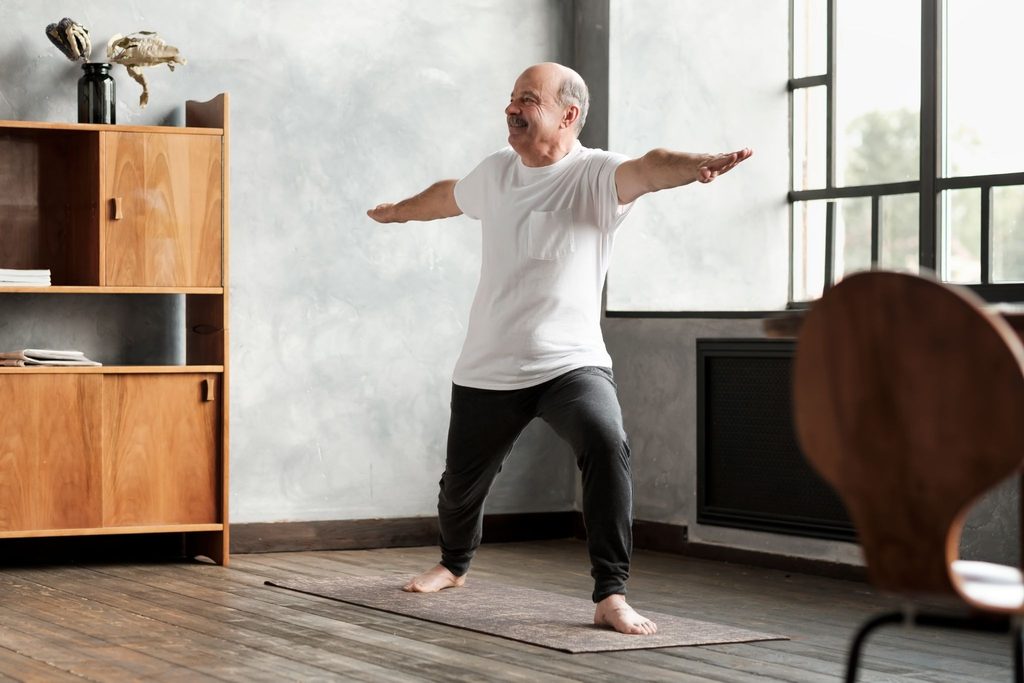
Lots of older adults assume that broken sleep is simply part of getting older, something to put up with like reading glasses. It’s true that sleep patterns change with age, but poor sleep isn’t inevitable, and how active you are during the day has more to do with it than many people realise. In the Well-being of the Singapore Elderly study, which surveyed 2,565 residents aged 60 and above, those who reported sleep problems were less likely to be physically active and more likely to live with chronic conditions and depression.
How Common Are Sleep Problems Among Older Singaporeans?
In that study, published in 2017, 13.7% of older adults reported at least one sleep problem. The most common was waking up during the night, reported by 69.4% of those affected, followed by difficulty falling asleep (48.9%) and waking too early (22.3%). About one in nine experienced all three, which can leave people feeling drained long before the afternoon.
Those numbers may sound modest, but sleep problems tend to travel with other issues. Researchers linked them with greater disability in daily life, which makes sense: tired days lead to less activity, less activity can lead to weaker muscles and poorer sleep, and the cycle continues. Breaking that loop is one of the quieter goals of a well-designed exercise program for seniors.
Does Exercise Really Help Older Adults Sleep?
The research is encouraging. A 2025 meta-analysis in Frontiers in Public Health pooled 50 randomised controlled trials involving 3,937 older adults. Exercise improved overall sleep quality scores and reduced insomnia severity. People also slept slightly longer, spent a little less time awake during the night and had better sleep efficiency. The authors noted that results varied quite a bit between studies, so exercise isn’t a guaranteed fix, but the overall direction was clearly positive.
The programmes studied ranged widely, from walking and cycling to resistance training, tai chi, qigong and yoga. Most sessions lasted around an hour and took place about three times a week. That’s a useful benchmark for anyone putting together an exercise program for seniors with better sleep in mind.
Does the Type of Exercise Matter?
The meta-analysis didn’t single out one type as best, which is good news: the most effective option is often the one you’ll actually stick with. In practice, a balanced exercise program for seniors usually combines a few elements. Strength work helps you feel physically tired in a healthy way, walking adds steady aerobic activity, and slower practices such as tai chi or gentle stretching can help the body wind down.
Including balance training for seniors brings an extra benefit for nighttime. Many older adults get up at least once in the night to use the toilet, often in dim light and while still drowsy. Better balance and leg strength make those trips safer and reduce the worry about falling in the dark. Simple drills, such as standing on one leg near a counter or walking heel to toe along a hallway, can be practised at home between sessions.
When Should You Exercise for Better Sleep?
For most older adults, mornings and late afternoons work well. Morning activity, especially outdoors, also exposes you to daylight, which helps set the body clock. In Singapore’s heat, early mornings before 10 am or late afternoons after 4 pm tend to be more comfortable for walks. Vigorous sessions very close to bedtime may leave some people feeling too alert, so evenings are better kept for gentle stretching. If you’re sharing a home with family, an evening stroll around the estate after dinner can be a pleasant, low-key way to wind down together without overstimulating the body before bed.
How Do You Build Sleep-Friendly Habits Around Training?
A few simple steps help the exercise do its job:
- Keep a regular wake-up time, even on weekends, and schedule exercise at roughly the same times each week.
- Get some daylight in the morning, such as a walk around the estate or to the market.
- Limit long afternoon naps to keep night-time sleepiness intact.
- Include a few minutes of slow stretching or breathing in the evening.
- Add simple balance training for seniors, like supported single-leg stands, to make night-time toilet trips steadier.
If poor sleep continues despite these changes, or if you snore heavily, feel low or wake up gasping, speak to your doctor, since conditions like sleep apnoea or depression need proper medical attention. It also helps to mention any sleep medication to your trainer, as some can cause morning grogginess or affect balance, which may change how your exercise program for seniors is timed and paced.
Vigeo’s trainers design programmes for older adults that balance strength, mobility and gentler movement, timed to suit your day. Contact Vigeo Health & Fitness to put together a routine that supports both stronger days and more restful nights.

