
Choosing Trauma Implants: Essential Factors for Patient-Specific Solutions
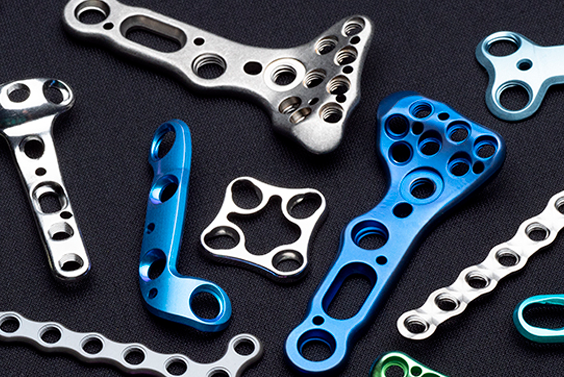
Trauma implants are crucial in medicine, particularly in treating fractures and other orthopedic injuries. These implants stabilize and support broken bones, allowing them to heal correctly. Understanding the different types of implants for trauma and their applications is essential for both medical professionals and patients undergoing treatment.
When discussing implants for trauma surgery, it’s essential to recognize the contributions of various manufacturers at the forefront of innovation. A trauma implants manufacturer designs and produces multiple devices tailored to specific fractures and injuries. Common types include plates, screws, nails, and rods, each serving a unique purpose depending on the injury’s location and severity.
Orthopedic implants manufacturers focus on creating durable products to withstand the body’s biomechanical forces while promoting healing. The materials used in these implants are typically biocompatible metals such as titanium or stainless steel, known for their strength and resistance to corrosion. In some cases, advanced polymers or composites may also be used to enhance flexibility or reduce weight. As technology advances, these manufacturers continue to develop new materials and designs that improve patient outcomes and recovery times.
Patient-Specific Factors in Implant Selection
When it comes to implant selection, the importance of patient-specific factors cannot be overstated.
Assessment of Anatomy: Each patient’s unique anatomy is crucial in determining the most suitable implant. Differences in bone structure, joint alignment, and overall body composition must be carefully considered to ensure optimal fit and function.
Age Considerations: Younger patients may require implants that can withstand higher levels of physical activity and last longer over time, while older individuals might prioritize implants that offer stability with minimal wear over their expected lifespan. This consideration highlights the need for personalized medical care that addresses these age-related differences.
Activity Level: A patient’s activity level is a significant determinant in selecting the right implant. Those with an active lifestyle may benefit from durable materials or designs that accommodate more significant movement and stress. Conversely, less active patients might prioritize comfort and ease of use.
Incorporating these patient-specific factors into the decision-making process ensures that each individual receives an implant tailored to their unique needs, ultimately improving outcomes and enhancing quality of life.
Implant Types for Trauma Surgery
In orthopedic surgery, implants for trauma care are crucial in effectively treating fractures and bone injuries. These implants stabilize and support bones during healing, ensuring proper alignment and function. Understanding the various types of trauma implants and their specific applications can provide valuable insights into their importance in medical practice.
Screws: One of the most common types is screws, which are used extensively for fracture fixation. Screw types for fractures vary based on factors such as bone quality and location of the fracture. For instance, cortical screws are typically used for dense bone areas, while cancellous screws are suited for spongier bone sections. These screws help hold fractured bone fragments together securely until they heal.
Plates and Rods: Plates and rods are another category of internal fixation devices that provide structural support to fractured bones. Plates come in different shapes and sizes to conform to various body parts, acting as a bridge over fractures to maintain alignment. Rods, often called intramedullary nails, are inserted into the marrow canal of long bones like the femur or tibia, offering stability from within.
External Fixators: External fixators present an alternative approach by stabilizing fractures outside the body using pins or wires connected by an external frame. This method is beneficial when internal fixation is not feasible due to infection risks or severe soft tissue damage.
Each type of implant has specific applications tailored to meet unique clinical needs. Healthcare professionals can ensure optimal fracture management and recovery outcomes by leveraging these advanced medical technologies.
Material Considerations
When choosing the right implant materials, understanding the differences between options like titanium and stainless steel is crucial. Both materials have unique properties that make them suitable for various medical applications, but also have distinct advantages and considerations.
Titanium is often favored in implants due to its excellent biocompatibility. This means it integrates well with human tissue, reducing the risk of rejection or adverse reactions. Additionally, titanium is renowned for its high strength-to-weight ratio, making it both strong and lightweight—a critical factor for patient comfort and mobility.
On the other hand, stainless steel implants are known for their robustness and cost-effectiveness. While not as biocompatible as titanium, coatings and surface treatment advancements have improved their performance in medical settings. Stainless steel offers impressive material strength and durability, making it a reliable choice for load-bearing applications.
An important consideration when comparing implant materials is biocompatibility issues. The body’s response to an implant can significantly impact its success; hence, understanding how different materials interact with biological tissues is essential. Titanium’s natural resistance to corrosion further enhances its suitability in environments where long-term exposure to bodily fluids occurs.
In terms of material strength and durability, both options hold up well under pressure but cater to different needs based on specific use cases. Whether prioritizing lightweight design or cost efficiency without compromising structural integrity will guide your choice between these two popular implant materials.
Post-Operative Outcomes
When it comes to post-operative outcomes, the choice of implant plays a significant role in determining recovery and rehabilitation trajectories.
Recovery Time: Recovery time with different implants varies significantly due to material composition, design, and compatibility with the patient’s body. For instance, some modern implants are designed to promote faster integration with bone tissue, potentially reducing recovery time compared to traditional options. Patients and healthcare providers must discuss these differences when planning surgery.
Rehabilitation Protocols: Rehabilitation protocols post-surgery also hinge on the type of implant used. Certain implants may require specific exercises or physical therapy regimens tailored to their unique characteristics. This ensures the patient regains full function while minimizing complications such as stiffness or dislocation.
Long-term Outcomes: Long-term outcomes of various implants can differ based on durability and how well they perform over time within the body. Some implants are engineered for longevity and resilience under stress, which is particularly important for younger patients or those with active lifestyles who need reliable performance over many years.
Understanding how implant choice affects these aspects allows patients and medical professionals to make informed decisions that align with health goals and lifestyle needs. This knowledge empowers individuals undergoing surgery to achieve optimal recovery and long-term success in their rehabilitation journey.


